Group leader
Paul D. W. Kirk

Paul is an MRC Investigator (research group leader) at the MRC Biostatistics Unit, a department of the University of Cambridge.
Having previously made contributions to the field of statistical systems biology, his current research profile is at the intersection of precision medicine and statistical functional genomics.
Research associates
Johan van der Molen Moris
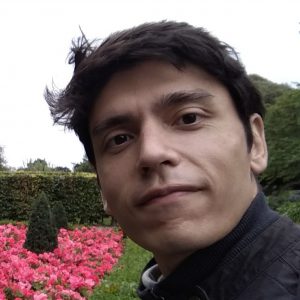
Johan is an MRC Postdoctoral Fellow working with Dr. Paul Kirk on the development and refinement of models that combine multiple omics datasets, with the aim of identifying patient subgroups and disease subtypes that are both reproducible and clinically actionable. His methodological research is currently focused on nonparametric Bayesian mixture models, factor analysis, data integration and efficient algorithms for inference.
Johan holds a PhD in Statistics, and an MSc in Statistics and Operational Reseach from the University of Edinburgh. His thesis work focused on asymptotic properties of a Bayesian semi-parametric non-regular model. More specifically, the limiting posterior distribution of the end point of the support of a density that has a discontinuity located there. His research interests include Bayesian methods and Machine Learning techniques, especially for nonparametric and high-dimensional models.
Ivan A. Croydon Veleslavov
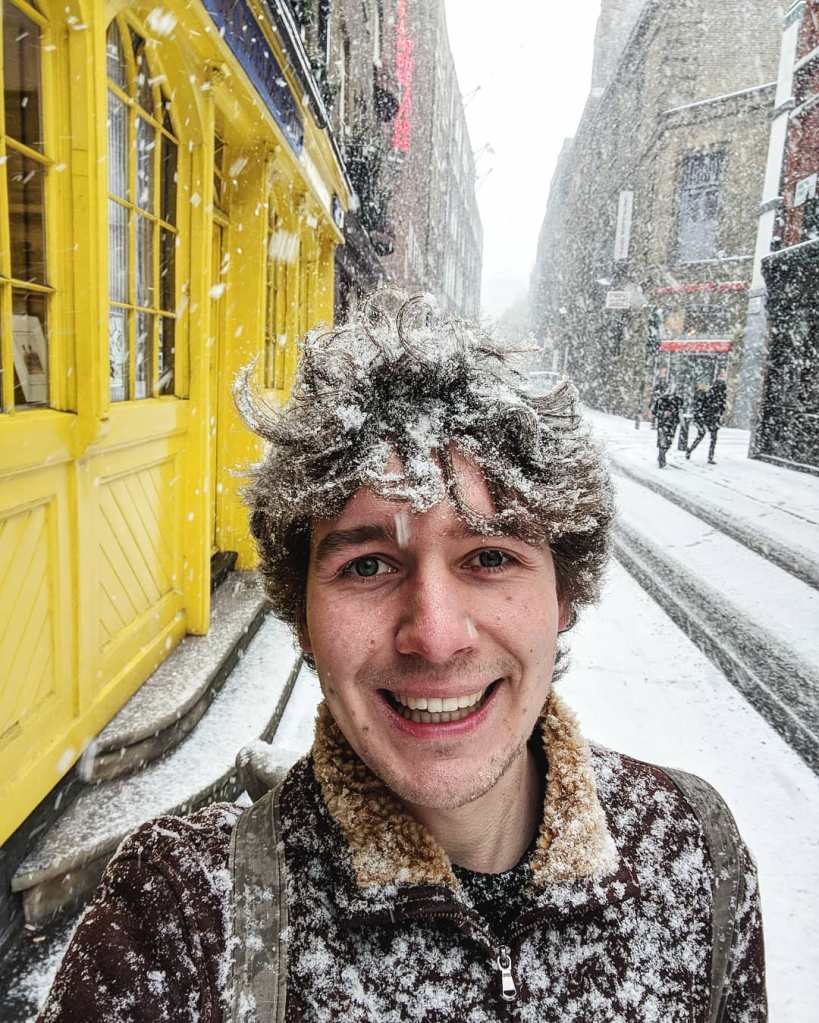
Ivan is a Research Associate applying Bayesian outcome-guided clustering to identify clinically relevant subgroups of Alcoholic Hepatitis patients as part of the MIMAH Consortium. Before joining the Kirk group, he completed his PhD at Imperial College with Prof Michael Stumpf as part of the Wellcome Trust’s Theoretical Systems Biology and Bioinformatics program. During this time, he developed Bayesian tree-based ensembles capable of incorporating prior information to improve predictive performance and embedded feature selection in sparse contexts, applying these methods to the problem of cell-fate choice. He is particularly interested in feature selection problems, interpretable supervised and unsupervised learning methods, and leveraging Bayesian statistics to improve human health outcomes
Current PhD students
Stephen Coleman
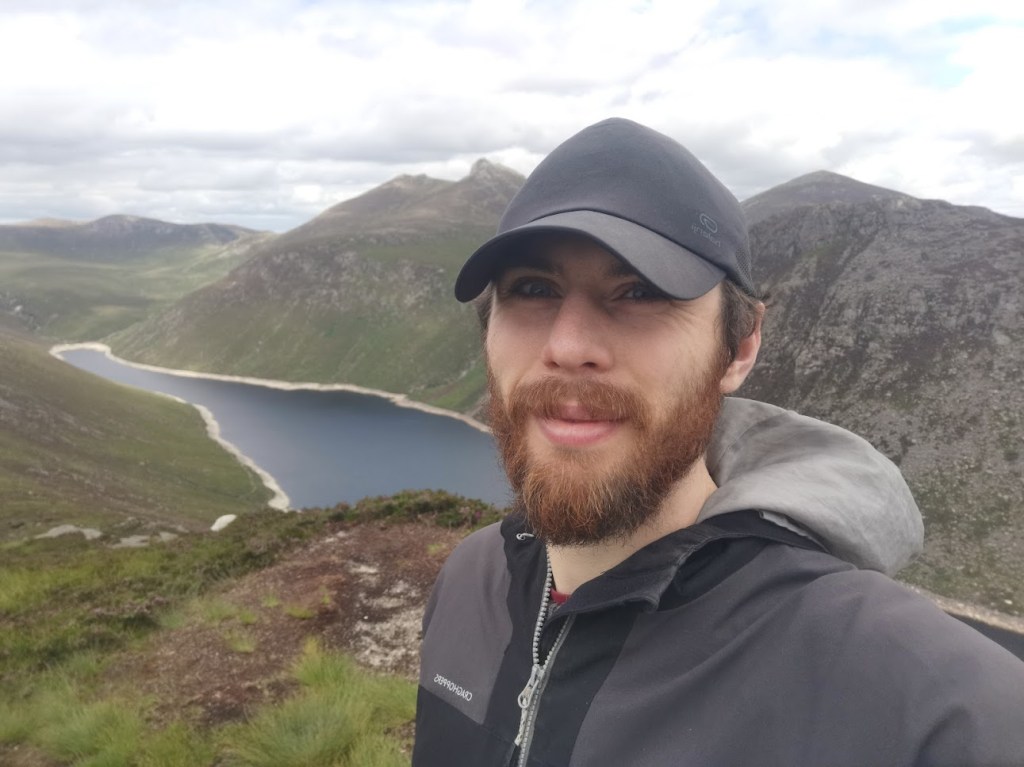
Stephen is an MRC-funded PhD student developing and applying Bayesian model-based clustering methods. He is particularly interested in problems with complicated correlation structures such as multi-omics analyses or analysing multiple batches of assay data. Stephen is the author of the batchmix and “MDIr“ R packages.
Affiliate members
Solon Karapanagiotis
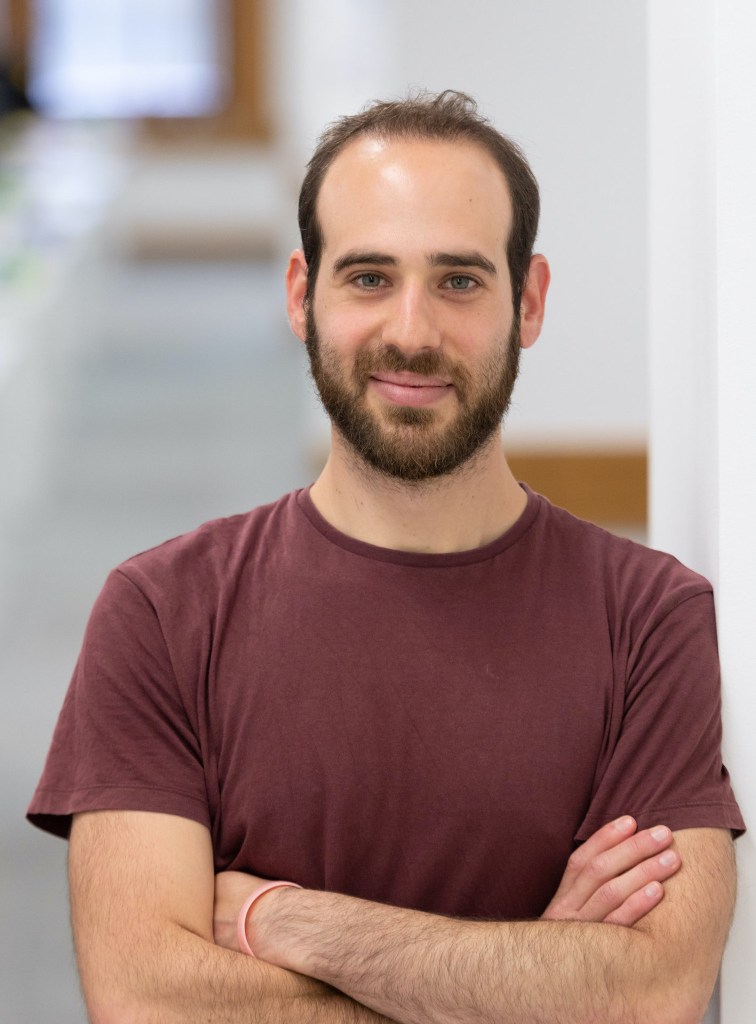
Solon (https://www.solon-karapanagiotis.com/) is a Research Associate at the MRC Biostatistics Unit. Solon’s interests lie in developing statistical (machine) learning methods applied to medicine and healthcare. He completed his PhD in Biostatistics at the University of Cambridge focusing on tailored Bayesian inference when different misclassification errors incur different penalties. Currently, Solon is also looking at novel ways to incorporate liquid biopsies into the management of cancer. In particular, he is developing methodological approaches to extract information from liquid biopsy data and integrate them into clinical practice. He is interested in (risk) prediction modeling, (medical) decision making, computationally intensive methods, and translational genomics.
Filippo Pagani
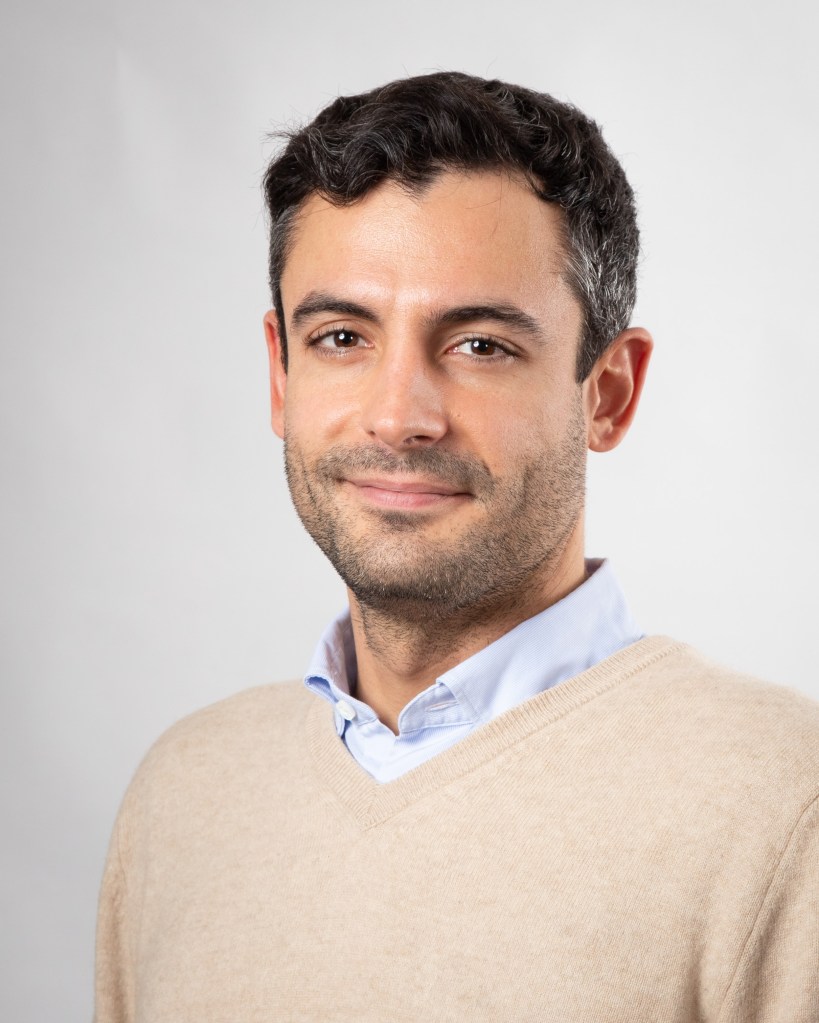
Filippo is a research associate at the MRC Biostatistics Unit at the University of Cambridge. He completed his PhD in Applied Mathematics at the University of Manchester in 2020, which focused on the Zig-Zag process, a Piecewise Deterministic Markov Process (PDMP) used in Markov chain Monte Carlo (MCMC) for the purpose of sampling from posterior distributions. He is interested in Irreversible MCMC, Probabilistic Clustering, and variable selection.
Visiting members
Romit Samanta
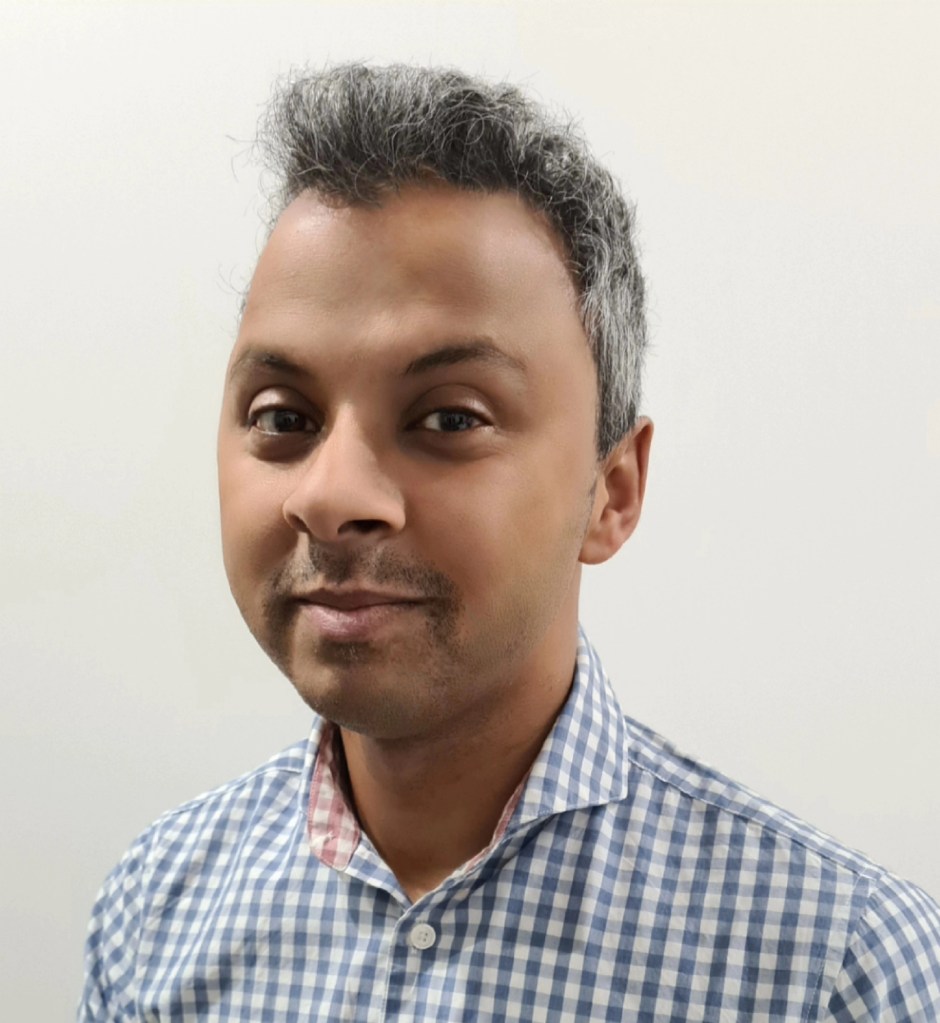
Romit is an NIHR clinical lecturer of intensive care medicine at the University of Cambridge. He is an anaesthetist and intensive care physician who completed his PhD at the University of Cambridge in 2021 which focused on the discovery of endotypes in acute respiratory distress syndrome (ARDS). His interest is in using unsupervised clustering and machine learning methods to integrate biological and clinical information from critically unwell patients. His aim is to discover the mechanisms underlying their severe illness and develop methods that can stratify patients to inform therapeutic approaches.
PhD Graduates
- Alessandra Cabassi (MRC funded) – integrative genomics.
- Oliver Crook (Wellcome Trust funded) – spatial proteomics.
 Kirk group